Cash Flow Banking College Planning Disability Planning Retirement & Estate
Insights Financial Calculators Guides FAQ
About Us
Cash Flow Banking College Planning Disability Planning Retirement & Estate Planning
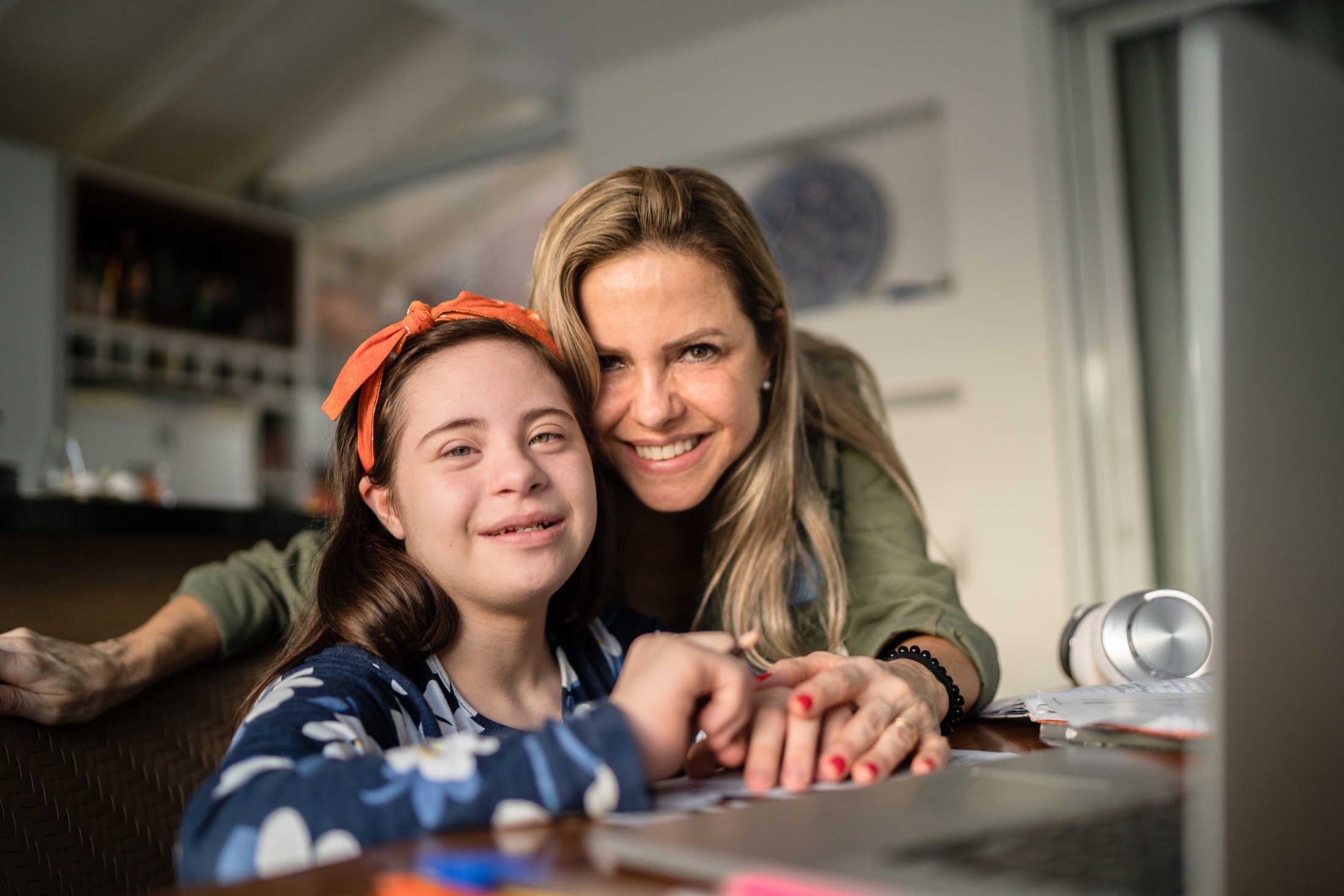
A young girl laughing on a couch with her mother gently holding her, warmly lit by afternoon window light

Disability Planning

Building a financial structure that outlasts you, for the child whose care does not end when you do.

A young girl laughing on a couch with her mother gently holding her, warmly lit by afternoon window light

We work with families who want a deliberate plan for a child with a disability. The work begins with asset design, continues through the legal vehicle that protects how those assets flow, and extends across the decades the family wants the plan to hold.

What happens to my child when I'm gone.

Every parent of a child with a disability carries that question. The page that follows is the answer in its working form, the actual financial structure that addresses it. It begins with the fears that sit behind the question, and moves through the substance of what we help families build.

Without a structure, two outcomes become possible. Neither is acceptable.

If the money runs short

Care quality is constrained by what is left, not by what is needed.

Over a lifetime, an underfunded plan slowly compromises the day to day. Facilities are downgraded, services are dropped, the standard of care erodes one decision at a time. The child does not know what their parents intended. They only know what they live with.

If the family steps in

A sibling, or another family member, absorbs what the structure was never built to carry.

Without a funded plan, the responsibility passes to whoever is closest and most willing. A sibling who never agreed to it, an aunt or uncle who steps in out of love, an extended family member who carries decisions they were never resourced for. Their lives reshape around a structure no one designed.

With the financial structure built deliberately, neither outcome is left to chance. The plan provides the care across the child's lifetime, and it does so without becoming someone else's burden along the way. That is the work, and the sections that follow describe how it is done.

The Funded Structure

The asset is the centerpiece. Everything else is built around how it flows.

A young woman wearing an apron standing at the counter of a grocery store.

Long-term funding for a child with a disability is a structural problem, not a documentation problem. The question is not which forms to sign, but what asset will be there in year forty, when the parents are no longer there to manage it. We build the answer to that question first.

The funded structure is designed around the family's specific resources and the child's specific care requirements. It accounts for the expected length of care, the standard of living the family wants to preserve, and the inflation of medical and residential costs across decades. It is calibrated, not assumed.

The asset is what continues. The documents direct it.

Once funded, the structure is built to continue functioning regardless of what happens to the parents. Its job is to keep providing across the rest of the child's life, in the same way an income would have, without depending on market timing or a single account performing as planned.

Estate documents, beneficiary designations, and trust language all attach to this funded structure. They direct how it flows, but they do not create it. The order matters: the asset comes first, the legal documents come second, and the rest of the plan organizes around them.


The Legal Vehicle

The Special Needs Trust is the wrapper. It protects how the funded structure reaches the child.

A mother and her daughter smiling together at a table at home.

A Special Needs Trust is the legal vehicle that allows the funded structure to support the child without disqualifying them from SSI, Medicaid, or other benefits that depend on the child's countable assets remaining below specific thresholds. The trust is the difference between assets that help and assets that disrupt.

The trust does not hold the assets at design time. It holds them at distribution time, when the parents are gone and the funded structure begins flowing to the child. Drafted correctly, it directs how those funds are used, who has authority over decisions, and how the child's standard of life is maintained.

The trust is what protects the asset on its way to the child.

Our role is to coordinate the design of the trust with the family's estate attorney, who handles the drafting. We do not write trust documents. We make sure the funded structure and the trust are aligned to the same purpose, so the asset and the vehicle that protects it both serve the family the way they were intended to.

Three additional pieces of work the plan addresses.

Beyond the funded structure and the trust, three coordinated decisions determine whether the plan actually works the way it is designed to.

Estate coordination, written for a disabled beneficiary

Standard estate documents presume a beneficiary who can receive assets directly.

For a child whose benefits eligibility depends on remaining below specific asset thresholds, every will, beneficiary designation, and account titling needs to be re-examined. This is not a generic estate review. It is a coordinated rewrite of how the family's assets are positioned at the moment they transfer.

An advisor reviewing estate and financial documents with a couple at a table.
Long-term care structure for the adult child

The child's care does not pause when the parents are gone.

The plan has to address how the day to day will be managed, what facility or in-home structure is funded for, and how the standard of care is maintained across the decades that follow. These are not assumptions to inherit. They are decisions to design.

A woman kneeling beside a boy who uses a wheelchair, together outdoors in a park.
The successor trustee question

Someone has to administer the trust after the parents are gone.

That role carries financial decision-making, advocacy, and judgment, usually for the rest of the child's life. Choosing the successor trustee, and equipping them with the institutional support to do the work well, is its own piece of the plan.

An adult's and a child's cupped hands holding a paper cutout of a family.

Let's plan the structure that continues, for the rest of your child's life.

A Disability Planning consultation begins with listening. Your family, your situation, your child, and the structure you want to build for them.